
Did you know that you probably host around 40 trillion bacterial cells? They outnumber human cells in your body around 1.3-3 times, so you are as much a microbe as a human!
Out of sight may be out of mind, but these tiny fellows keep us healthy and alive; they support our life on so many levels.
Top 3 Reasons Why Bacteria Are Important to Humans
- They break down nutrients in the soil and enable us to grow plants.
- They are a critical link in the cycle of life, “recycling” organic waste and keeping the environment clean.
- They inhabit our skin and digestive system and support our life.
We experience the most direct benefit from bacteria via the third reason (from a wellness point of view). The “good” or probiotic bacteria living in our gut are extremely important and this article will focus on their roles in the human body. Also, it’s important to understand how bacteria contribute to healthy skin.
Here’s why gut bacteria are important to humans and how to ‘make friends’ with them:
Human Gut Microbiota
The majority of bacteria, viruses, and fungi live in our gastrointestinal tract – they make up the human gut microbiota or the gut microflora. Our bodies co-evolved with these microorganisms and developed a mutually beneficial relationship with them. We provide them with food and shelter and they help us live better.
Probiotic bacteria (mostly Lactobacillus and Bifidobacterium species) support our life- “probiotic” means “for life”. They cover our intestines and form a unique barrier that communicates with the external world. Here are the most important roles of the gut microbiota:
- They regulate our immune system and protect us from pathogens
- They digest food for us and create essential nutrients
- They send regulating signals to the entire body, including our brain
- They help us adapt to changes in the environment
Over 10,000 species of microbes inhabit our intestines and the composition of gut microbiota is constantly changing; they react to every change in our diet, lifestyle, and environmental conditions.
Gut Microbiota and Immunity
Probiotic bacteria play a central role in our immunity and protect us from potential pathogens. They:
- Regulate our innate immune system
- Create a physical barrier and provide the gut integrity
- Produce anti-microbial substances and fight pathogenic microbes
- Reduce inflammation
[youtube https://youtu.be/gnZEge78_78]
This study reveals how the microbiota armors our gut and protects us against pathogens. Inadequate colonization with probiotic bacteria induces inflammation and triggers inflammatory bowel disease (IBD), diabetes, asthma etc.
These bacteria are so vital for our immunity and metabolism that many immunologists consider them a separate endocrine organ– the largest one. Here’s how the gut microbiota regulates our immune system and communicates with the entire body.
The Gut is ‘the Second Brain’
Our intestines have an enteric nervous system that communicates with our brain and regulates our physical and mental activities. Gut microbiota is the key component of this connection called “the gut-brain axis”. Simply put, probiotic bacteria regulate your thoughts and emotions; now you know where that gut-feeling comes from.
A study published in the Journal of Neuroscience examines how the brain and the gut flora influence each other and proposes practical applications of these findings. Impairment in the gut microbiota can lead to mental illnesses like anxiety and depression. Scientists have confirmed the positive effects of probiotics on stress management.
A connection between autism and gut health has been gaining a lot of interest lately. Autism spectrum disorder is usually coupled with digestive issues and autistic people tend to have different gut microbiota. This study reveals that treating autistic mice with the specific probiotic strain (B. fragilis) can improve their behavior.
The Human Microbiome

You have a lot more microbial than human DNA! All the genes of our ‘nano-guests’ are called the human microbiome. Remember that phrase- it holds the future of human genetics research.
The probiotic bacteria don’t only guard our health; they actually change our genes and power our evolution. This study acknowledges the human microbiome as a cornerstone of future genetic studies and calls it ‘our second genome’.
Our DNA is also influenced by the food we eat. Learn more here.
The gut microbiota can take genes from the environment and incorporate them into our bodies. This is not a sci-fi movie title – science suggests it as a mechanism of our adaptation and evolution. The microbes on our skin and in our intestines react to every change in the environment and they change our microbiome accordingly.
These findings present another reason why bacteria are so important to humans. They also indicate the complexity of our relationship with microbes and the environment. They fuel our evolution and hold the keys to our future progress.
Four Steps to a Healthy Gut
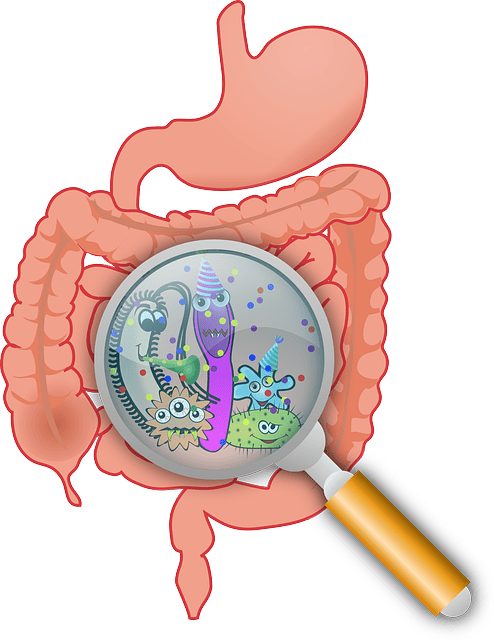
I hope you got the idea how important the gut microbiota is for your physical and mental health. Now follow these four easy steps to boost your gut health and arm yourself with probiotic bacteria:
- Include probiotics in your diet and supplementation. Yogurt, kefir, sauerkraut (and other fermented vegetables), kombucha, and apple cider vinegar are great natural sources of probiotic bacteria; consume them regularly to maintain a healthy gut microbiota. A high-quality probiotic supplement can also benefit your gut health
- Eat whole plant foods. They contain a lot of prebiotics- complex carbohydrates and fiber that feed the probiotic bacteria and keep your intestines clean.
- Avoid the things that harm your gut flora. Artificial sweeteners, refined sugar, antibiotics, and pain medications can disturb your gut microbiota and lead to a broad spectrum of health problems.
- Handle stress well. The gut-brain axis is a two-way street: gut problems increase stress levels and chronic stress impairs the gut. As I mentioned before, digestive and mental issues often go in a pair. Learn how to relax and recover.
How Bacteria Colonize Our Body
Let’s end at the beginning- how do we get in touch with the first probiotic bacteria in our lives? Our mother’s womb is sterile, yet most of us are born covered with microbes. If you were lucky enough to be born naturally, you got the super-dose of the first friendly microbes while passing through the birth canal. Shortly after, you got the second dose via mother’s milk; it is full of essential nutrients, antibodies, and probiotic bacteria- everything you need to develop a strong immunity.
Many studies like this one confirm that natural birth and breastfeeding build a foundation of a child’s immunity. Inadequate microbial exposure leads to inflammatory diseases, allergies, and even diabetes.
Want more tips on how to live well? Look no further.
Conclusion
Bacteria play vital roles in every aspect of our lives. Our bare existence, let alone optimal health, would be impossible without them. Probiotic bacteria protect our health, regulate our immunity, and power our genetic adaptation. We co-evolved with trillions of microbes on our skin, mucous membranes, and in our gut.
The gut microbiota stands out with as many as 10,000 different species of probiotic bacteria. They help us digest and metabolize our food; they defend us from pathogens and regulate our immunity; they even change our genes and help us evolve.
With all this in mind, we should shift our perception of microbes. If you eat healthy food and avoid toxic substances and stress, the gut microbiota will be on your side. This friendship, like every true one, will enrich your life and keep you happy and healthy.
Image sources:
- https://pixabay.com/en/bacteria-medical-biology-health-3658992/
- https://pixabay.com/en/bacteria-illness-virus-infection-163711/
- https://pixabay.com/en/anatomy-bacteria-bacterium-bowels-160524/
Table of Contents
