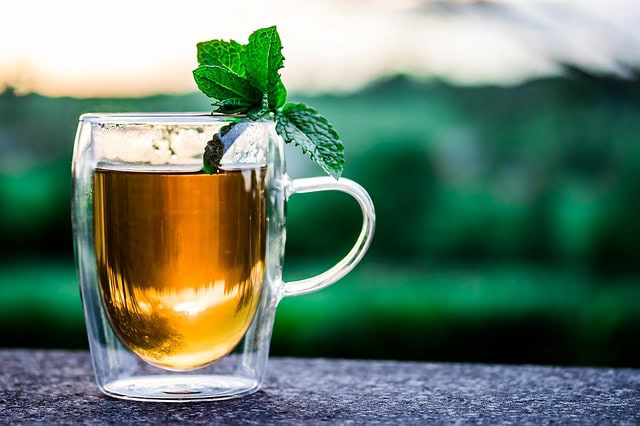
Would you like to start each morning full of energy and vitality, without having to down a cup of coffee straight out of bed? If that cup has been your morning ritual for a while and you can’t imagine starting your day without it, you may be experiencing caffeine addiction.
Contrary to a popular belief, teas can help you cool down and there’s no reason to avoid them during summer.
Fortunately, the magical world of herbs offers you some great coffee alternatives. In this article, you will learn how to choose the best morning tea for energy and a vital start of your day.
Herbal teas can wake you up and fuel you with energy in a gentle way. Coffee contains healthy antioxidants, but it leaves many people with caffeine withdrawal symptoms, including energy crashes. Teas taste great, provide a milder energy boost, and have plenty of other perks your body will adore.
Like coffee, most of them are packed with antioxidants so you don’t have anything to lose. I will present you both caffeinated and non-caffeinated options and cover all the benefits (and the potential drawbacks) of each one.
Caffeinated options
You may want to cut back on coffee but still need a daily dose of caffeine to stay awake and focused. The following herbal drinks contain caffeine and offer a great coffee substitute for your morning routine. They will pick you up and provide a much-needed energy boost while protecting you from the potential negative effects of too much coffee.
Yerba Maté

Surprised not to see black or green tea on top? Well, yerba maté contains more caffeine than both of them; more about this in a minute.
Back in 2016, I spent 3 months in India. My Argentinian roommate, Nico, had a weird cup with a steel pipe and used to drink some special kind of tea he brought from home. Later on, he introduced me to yerba maté—a traditional drink in Argentina and other South American countries.
They make yerba maté tea by drying the stems and leaves of a specific rainforest tree (Ilex paraguariensis). Locals like to say that yerba maté provides “the strength of coffee, the health benefits of tea, and the euphoria of chocolate”.
Did you know? Argentinian people consume approx. 500 million dollars worth of yerba mate each year! And the iced version of yerba mate actually has different name, Tereré (Te-re-ray).
With around 85 mg of caffeine per 8-oz cup, it falls between tea and coffee. Yerba maté can help you get over caffeine withdrawal and still keep you alert and energized. According to drinkers’ experience (including mine and Nico’s), yerba maté won’t interrupt your sleep, trigger anxiety, or cause energy crashes.
Given its energy-boosting properties, many people use yerba maté to combat chronic fatigue, both mental and physical. It can even enhance athletes’ performance.
And it’s not just about caffeine and energy! Yerba maté contains an entire alphabet of vitamins, minerals, and phytonutrients. Starting a day with this famous Latin drink will nurture your body and benefit your health in many unique ways. No wonder millions of people praise yerba maté as the best morning tea for energy and improved alertness.
Note: Consider drinking your yerba maté when it’s not too hot. If you’re constantly refilling from a hot thermos and using of a straw (the bombilla), be careful to not scald your mouth, possibly one of the only drawbacks to yerba maté.
Tea
“Drinking a daily cup of tea will surely starve the apothecary.” – Ancient Chinese proverb
Back in the days this was a huge surprise to me, but I guess you probably know that ‘tea’ refers to drinks from a specific tea plant (Camellia sinensis). Other herbal drinks (or tisanes) are infusions and decoctions made from different herbs, but we also call them ‘tea’ for convenience. Try ordering a peppermint infusion at your local cafe next time and you will only get a weird look.
Depending on the production process, a tea plant can give:
- black
- green
- white
- oolong tea.
The 4 differ in caffeine and polyphenol content but have similar health benefits. All of them are great morning tea options for energy and alertness.
Did you know? Tea probably originated in China. Upon colonizing India, the British introduced the consumption and mass-production of tea in order to end the Chinese monopoly on it. Today, the majority of the world’s tea supplies come from China, India, Kenya and Sri Lanka.
Many people drink tea in the morning to kick-start their day and stay alert. However, tea has much more to offer; it’s rich in polyphenols and other compounds that protect you from aging and diseases.
Black tea

Made of fully fermented young tea leaves, black tea delivers the most caffeine of all varieties. This makes it a very popular pick-me-up and a perfect coffee substitute. Tea lovers around the world find its rich aroma and flavor enjoyable.
In India, they serve tea with cow’s milk and call it chai. Add some spices and you’ll get masala chai, a famous Indian drink consumed by millions.

Beyond Masala Chai, black tea blends well with all kinds of milk and spices, making it easy to create your perfect combination.
While it loses a portion of antioxidants due to fermentation and oxidation, black tea still offers a wide array of health benefits, ranging from sugar control to cancer prevention.
Green tea

If you’re sensitive to caffeine and need an even milder morning beverage, green tea is your new best friend. It contains just enough caffeine to refresh you without any side effects and downswings. Green tea is not fermented (unlike black tea) and it delivers a blast of catechins and other protective antioxidants. Start each day with a cup of green tea to stay energized and improve your health all at once.
White and oolong tea, although less popular, have their unique aromas, antioxidant blends, and related health advantages. Regarding the caffeine content, they rank between their green and black cousins.
Although the listed drinks contain much less caffeine than coffee, they can still cause some side effects if you consume them in higher quantities. For example, caffeine can force urination and dry you out. Make sure to compensate by drinking more water (or herbal teas) —dehydration can have detrimental effects on your energy levels, motivation, and mood.
Non-caffeinated options
Some people are more sensitive to caffeine and choose to avoid it altogether. If you are one of them, don’t worry! You can choose from a variety of herbal drinks to include in your morning routine. Following are some of the best non-caffeinated morning teas for energy boost and vitality:
Rooibos tea

Rooibos or ‘red bush’ grows in South Africa. Red rooibos tea comes from fermented leaves and has a beautiful unique aroma; the taste resembles a mixture of yerba mate and hibiscus tea. Like the ‘real’ tea, you can also prepare rooibos tea with milk, spices, and sweeteners.
Rooibos tea contains zero caffeine, yet its fresh and energizing aroma makes it an awesome morning tea. It contains a unique blend of polyphenols that can protect you from diseases and slow down the aging process.
This study showed promising results for the prevention and treatment of skin cancer with rooibos extract (much like green tea). It’s another great example of antioxidants from food that protect your skin and help you enjoy sunlight safely.
Essential minerals in the rooibos plant (calcium, iron, magnesium…) make for a morning nutritious punch; its rich taste will make you forget about your cup of joe. Do you need more reasons to choose rooibos as your morning tea for an energy boost?
Don’t be surprised to stumble upon green rooibos tea. This unfermented version is harder to find (and usually more expensive) but can also be a great choice for your morning cup.
Ginger tea

You woke up feeling tired and the weather is terrible? Instead of rolling in your bed for hours, go make a cup of ginger tea (recipe below), add fresh lemon juice, and sweeten with some raw honey. This blend will turn on your engines and ensure a warm, energized morning.
The sharp and spicy aroma of ginger tea works wonders to wake you up and stimulate your senses. If you’re having problems with morning nausea, muscle stiffness, or joint pain—more reasons to replace your morning coffee with ginger tea. Gingerol and other anti-inflammatory compounds will ease your discomfort and as well as help you become a morning person.
Ginger tea recipe
- grate 1-inch piece of fresh ginger
- add 2 cups of water
- simmer for 5-10 mins
- strain and enjoy!
- Add honey, lemon, milk, and spices (optional)
TIP: Add grated ginger to any other tea from this list to combine their benefits and make an ultimate energy-boosting morning tea.
You can make teas out of all sorts of spices. Learn about more spices by reading Spice Up Your Health with These 5 Amazing Spices (Benefits + Recipes)
Nettle tea

“If you are allowed to pick only one herb during your hike in nature—pick nettle.” Maurice Messegue, a famous French herbalist
If I counted all the health benefits of nettle here, it would seem like exaggerating. This common weed might deter you with its stinging leaves but it’s actually one of the healthiest herbs out there.
Check out some of the most important reasons to start your day with nettle tea:
- Loaded with vitamins and minerals
- One of the richest sources of chlorophyll
- Has powerful anti-allergic properties
This makes nettle a perfect morning tea to increase energy, relieve allergy symptoms, boost iron levels, cleanse the kidneys, prevent hair loss, and much more.
Nettle tea may not stimulate your brain like coffee or black tea, but a blast of essential nutrients and healing compounds will ensure a perfect start of each day.
The best part? Nettle grows all around and you will find it in nature easily. Just pick clean, pollution-free areas and harvest a bunch of nettles for tea and other amazing uses.
TIPS: Harvest nettles during spring and summer, pick the young tops, and (obviously) make sure to use gloves.
Additional notes and FAQ
- Squeezing fresh lemon juice into your morning tea will help alkalize your body, speed up the metabolism and boost your energy even more. If you don’t have time to prepare a tea, fresh lemonade also works great to wake you up.
- Although teas are usually consumed as hot beverages, very hot water may damage your mouth and throat. Warm tea is a better idea.
- Don’t limit your favorite tea to mornings. Drinking more tea can bring you amazing results, so feel free to keep sipping throughout the day.
- Choose organic herbs whenever you can; conventionally grown ones may contain pesticide residues and other pollutants.
- Drinking herbal teas (or tisanes) will help you stay hydrated, another great daily habit to cultivate.
What about sugar and other sweeteners in my morning tea?
Refined sugar is completely stripped of nutrients and you should avoid it whenever you can. It will briefly raise your energy, but the balancing crash will follow soon.
Natural unprocessed sweeteners like raw honey are healthier options, but they also contain lots of sugar. Consume them in moderation to avoid energy swings and other side effects of too much sugar.
Many people add milk to their tea to improve the taste and nutritional value. Coconut, almond, and other types of plant-based milk can be a great choice, too.
Artificial sweeteners contain no sugar and calories but they can harm your health in multiple ways; I suggest you steer clear of them.
Thanks a lot for reading! I hope this article gives you plenty of great ideas and will help you choose the best morning tea for an extra energy supply. Experiment with different types of teas and enjoy their amazing taste and healing properties.
I’m sure there are plenty of other herbal teas perfect for the morning routine. What’s your favorite morning tea? Please hit a comment and share your thoughts.
Best wishes!
Best Morning Teas For Energy – Recap
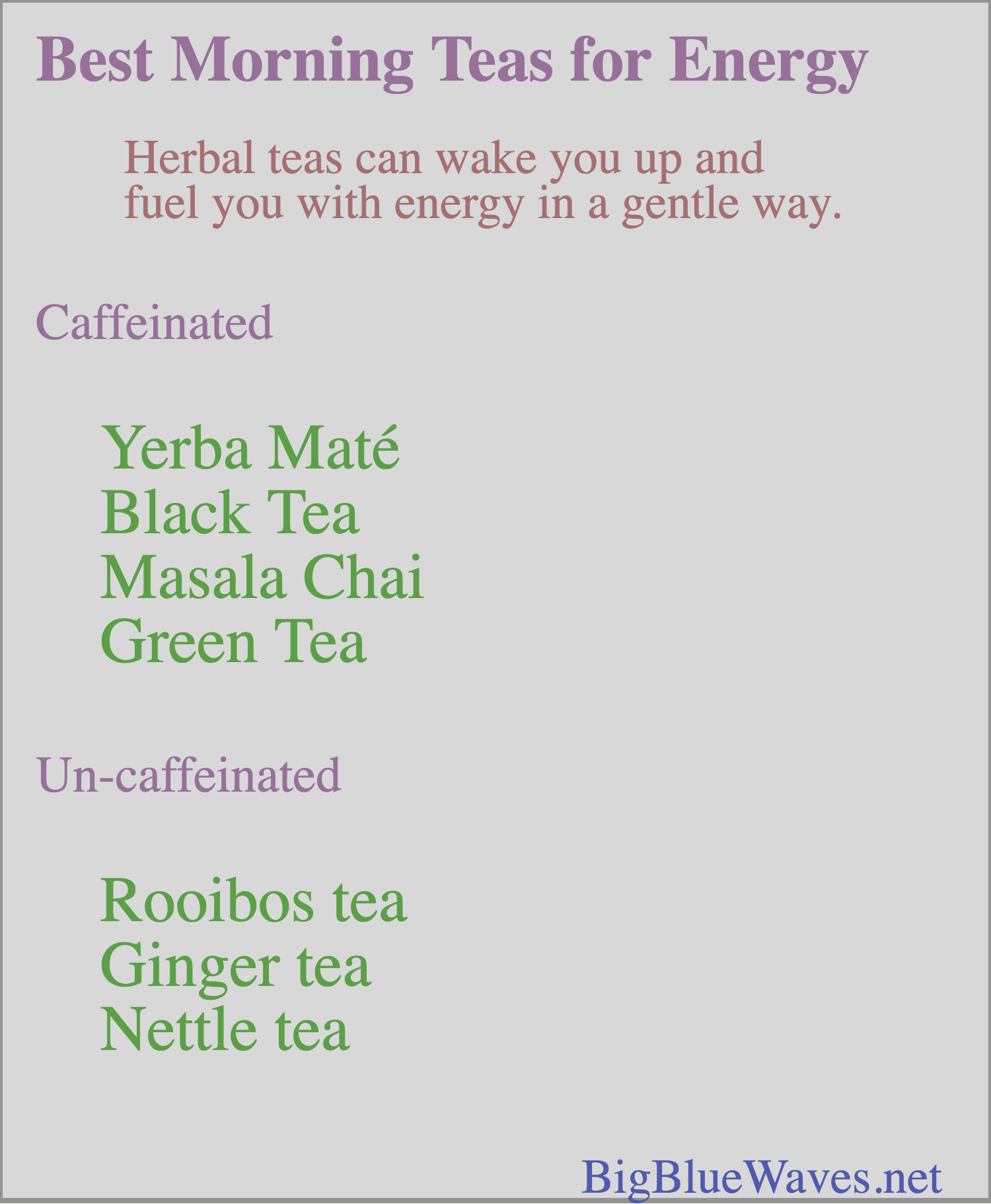
Caffeinated:
- Yerba Mate
- Black Tea
- Masala Chai
- Green Tea
Non-Caffeinated:
- Rooibos Tea
- Ginger Tea
- Nettle Tea
Image sources
- Teacup of Peppermint Tea
- Yerba Maté
- Black Tea Leaves
- Daisies in the Summertime
- Rooibos Tea with Lemon and Cloves
- Honey, Ginger, Lemon, Mint Tea
- The Nettle Plant
Table of Contents
