
It’s a great choice to switch from chemical, mass-produced household cleansers to green, sustainable cleansers. It might seem like a more daunting task than it actually is, though. You really only need the following ingredients, and you’re all set! Continue reading “5 Ingredients for Green Cleaning (All You Need!)”
Author: Eco Green
How To Make Your Laundry Eco-Friendly

Making your laundry eco-friendly is one of the quickest ways to really improve your home’s impact on the planet. In this post, we’ll go through various ways you can improve your laundry practices with everything from washing detergent to dryer balls.
Read on and get cleaning!
Spring Cleaning—the Green Way
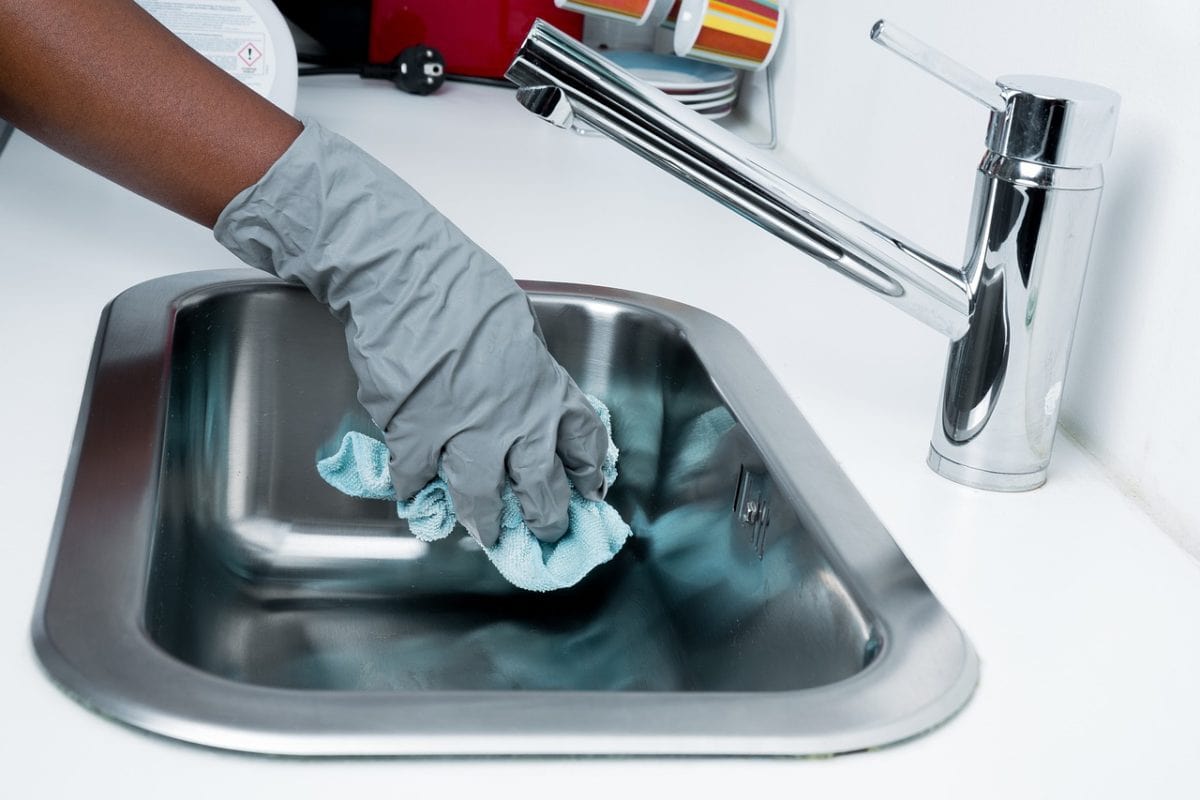
Very special thanks to guest writer Sam Marquit for sharing these great ideas about green cleaning! Besides being a professional writer, publisher & editor, he holds a personal and professional interest in Long Island real estate.
My home is my castle and sanctuary. I like to treat it as such. Spring cleaning is my way to care for and give respect to the home that takes care of me. It’s a mutually beneficial relationship, and I want to nurture it as well as I can.
I’m careful about what I put into and on my own body. I try to use the same level of conscientiousness while cleaning my home. Being “green” is just an added benefit, and one I’ll take every time.
My Own Mixtures
There are many “green” cleaning products on the market, but they’re so easy to make yourself. I’ll spend the extra couple minutes and a few household ingredients to mix them up myself.
There are really only a few simple things that I keep in my cleaning closet: white vinegar, washing soda, baking soda, borax, natural peppermint soap, a few spray bottles, sponges, rags and brushes. Some people like to add essential oils to their cleaners, but I’m not much of a fan of most fragrances.
One of the best things about using these natural cleaners is that I don’t have to worry about kids or pets getting sick if they get into them. My childhood nemesis, Mr. Yuck, does not live in my house.
Vinegar is probably the one thing that I use the most for cleaning around the house. It even has antimicrobial properties. I usually dilute it with water, from as little as a half cup of vinegar per gallon of water, to straight vinegar. The ratio depends on what I’m cleaning. If you’re less tolerant of the odor of vinegar, you’ll probably want to dilute it more, and maybe add a few drops of your favorite essential oil. A little oil goes a long way.
Kitchen Cleaning
For my glass top stove, I usually use a minimally diluted solution. If I have a particularly messy spill and the resultant burned-on ring, I’ll sprinkle on some baking soda, spray it with the vinegar, and then let it sit for a few minutes. I may add some liquid peppermint soap to the vinegar solution for a little extra cleaning power. I’ll use the same general solution for tile floors, counter tops and bathroom surfaces. For mopping, I use a more diluted vinegar solution.
Outdoor Uses
If you have a yard or container garden struggling with weeds, don’t dump your vinegar cleaners down the drain. Vinegar is also an excellent weed killer. I pour it directly on the offending plant, and it starts to wither in a couple days. For particularly hearty weeds, or if it rained, I reapply once a day until I see the weed start to die. Be careful though, vinegar is not discriminatory. It will kill any plants it gets on.
Laundry
Not only my house gets a good cleaning in the spring. It’s the time of year that my family starts to really get outside and get dirty. Running, hiking, soccer and gardening all take their tolls on my families clothes.
DIY Laundry Detergent
Using the same short list of ingredients, I sometimes make my own laundry soap as well.
For this, I add either plain white bar soap or fels naptha soap. Either will work. The soap must be shredded, so you may want to buy powdered soap instead. Make sure it has no added chemicals or detergents. My recipe is equal parts borax, washing soda and shredded soap mixed together. If you like, you can add a few drops of essential oil. I use the same scoop from commercial laundry detergent to portion my homemade laundry soap.
When I don’t make my own laundry soap (or for those who prefer commercial brands), I add half a cup of borax and/or washing soda to a load of laundry. It increases the cleaning power of laundry detergent. Borax can also be used to keep fleas, mites, roaches, ants, bed bugs, mice and other pests away. I sometimes use it on stubborn pots and pans as well. Mixing 2 tablespoons borax and 2 cups of water can also be an alternative cleaner for those who don’t like the smell of vinegar.
Final Remarks
The possibilities are nearly endless. I still experiment with other mixtures. Here’s a quick video for some other perspectives:

Happy cleaning!
The Debate on Commercial Green Cleaning

In the green living community, there has been an ongoing debate about whether or not it’s a good idea to support commercial “green” cleaning products. Can something commercially produced really be good for the environment? Why should I buy into these massive corporate “green” initiatives when I can just make my own cleaning products?
It’s a heated discussion with great points on both sides. Below we’ll dive into each side and try to shed some light on this complicated issue.
Our Take
Believe it or not, the truth of the matter is that commercial cleaning companies have a massive effect on the cleaning products industry. Unless commercial cleaners get on the green bandwagon, there will still be huge problems of pollution and potential health hazards brought about by the simple need to keep things clean.
Thankfully Commercial Green Cleaning is growing. As businesses feel the pressure to literally “clean up their act,” they are starting to integrate more environmentally friendly products into their inventory. This is great news for the planet, and this is why it’s actually important to support these green initiatives by big cleaning companies.
However, there are a few of the key things I feel more commercial cleaners should be thinking about:
- Focusing on safe cleaning products. Due to the rules and regulations regarding health and safety at work, this tends to occur not so much out of choice, but simply due to necessity. But still, keeping cleaning products non-toxic and safe to use is crucial.
- Water usage. Water is the key component for so much of our cleaning techniques, but it is often neglected when thinking about the environmental impact of our activities. On the corporate cleaning level, this means that more concentrated cleaning products (i.e. a lower water content) will reduce the environmental impact of their products.
Some Decent Green Cleaning Brands for the Home
Basically, at store, I’ll buy the 365 brand. If I’m shopping online, I usually go with 7th Generation. Both products lines provide great quality cleaning products.
Seventh Generation
Besides 365, Seventh Generation is also a great green cleaning line. Their products are high quality and clean well (though some people I know do say that the traditional dish soaps cut grease better – this is a good point of debate).
However, I do wish they would explain where they source some of their ingredients. But in general, people regard 7th Gen as a good quality company.
Seventh Generation Recycled Paper Towels
Typical paper towels are a recipe for excess waste. While recycled paper towels are typically more expensive, they’re at least a bit more environmentally friendly than their alternative. There are plenty of options, but I usually go with this option.
Of course, an even better option for the environment would be to use reusable microfiber towels and wipes.
365
The Whole Foods 365 brand has a great laundry detergent, dish soap, dishwasher soap and all-purpose citrus cleaner spray.
A Green Cleaning Rating System
Speaking of Whole Foods, a few years ago, they launched a new way to sort through cleaning products in terms of their environmental impact. It’s called the Eco-Scale (trademarked). Basically, the scale consists of four colors – red, orange, yellow and green. Red doesn’t meet their standards. Green would be the most most environmentally-friendly. Here’s the breakdown from their website:
Orange
- Full transparency, disclosure of ingredients on packaging by April 2012
- Independent 3rd party verified compliance to standards
- No ingredients with significant environmental or safety concerns
- No formaldehyde-donors, preservatives which have the potential to release formaldehyde
- No phosphates, chlorine, or synthetic colors
- No animal testing
Yellow
- All orange characteristics
- natural fragrances
- No ingredients with moderate environmental or safety concerns
- No DEA, MEA or TEA—surfactants that have the potential to contain nitrosamines and other impurities
- No synthetic, petroleum-derived thickeners made from nonrenewable sources
Green
- All yellow characteristics
- Plant- and mineral-derived ingredients
- No petroleum- derived ingredients
The color sticker is placed by the price tags on the shelves of most of the products in the cleaning section. The Green Mission 365 products usually rate green. I bought both the liquid laundry detergent and the all-purpose cleaner. The laundry detergent contains saponified soap nuts as the main ingredient. It doesn’t produce a lot of bubbles, I guess because it doesn’t contain SLS (sodium lauryl sulfate). I’ve tried it once in a HE/front loader at the laundromat and it seemed to work well. I also use it to hand wash clothes in the sink along with the Alaffia African Black Soap.
The all-purpose cleaner smells sort of like vinegar and works well while producing a lot of fizzy bubbles. In the last week, they’ve also added a Green Mission automatic dish detergent, a toilet bowl cleaner and those wet towel wipes.
A lot of Ecover’s products were yellow and orange. It seemed that Seventh Generation’s products had a few more that were orange (but still had a lot of yellows and the non-chlorine bleach that was green) but that may be because they have so many products so don’t take my word for it. I hadn’t looked at the packaging of cleaning products for awhile and was surprised to find SLS as one of the key ingredients to a few of their products. I’m not trying to make a judgement about SLS, but there may be better ingredients available for 7th Gen to use. Anyways, I still enjoy Seventh Generation’s products and I am using their Lavender dishwasher soap.
Some folks may take issue with Whole Foods, but I like the store and their commitment to environmental wellness, and think this rating system will help people make better decisions about cleaning products. It may also help nudge manufacturers in a good way.
Here’s a list of some Green and Yellow rated products available at Whole Foods:
Green
7th Generation non-chlorine bleach
Earth Friendly Toilet kleener
Yellow
7th Generation all purpose cleaner
7th Generation glass cleaner
7th Generation natural dish liquid
7th Generation shower cleaner
7th Generation bathrom cleaner
7th Generation free and clear dish detergent
7th Generation laundry stain remover
7th Generation natural oxy stain remover
7th Generation laundry powder free and clear
20 Mule borax
Biokleen oxygen bleach
Biokleen laundry liquid
Biokleen all purpose cleaner
Biokleen premium laundry powd
Dish out unscented dish soap
Dishmate liquid cleaner
Earth Friendly autp dishwasher
Ecover cream scrub
Ecover liquid laundry ultra
Ecover delicate wash
Ecover auto dishwashing tabs
Ecover rinse aid
Ecover floor soap
Ecover lemon frag all purpose concentrated
Green Shield organic laundry detergent oncentrated
Green Shield surface wipes
Method all purpose ginger yuzu cleaner
Orange Plus all purpose cleaner
A Note On Safety
Choosing to use Green Cleaning Products can be a simple way to not only reduce the damage you do on the earth, but also to reduce the damage you do to yourself. How many of us actually abide by all the ‘how to use’ information on our home cleaning products?
My guess – not many. We tend to assume that if something is sold to us, it simply must be safe. But, many products, especially cleaning products, do have potential health risks. It isn’t just the concern about toddlers drinking things they really shouldn’t either (though household cleaners are the main cause of child poisonings today). No, the issue is how we use them and what we use them with.
Most cleaners will tell you that they should only be used in a well ventilated space. But lets be honest here, how many of our guest bathrooms are well ventilated?
But lets be honest here, how many of our guest bathrooms are well ventilated?”
Fail to follow the warnings and you will definitely be breathing in far more of the fumes from your commercial cleaning products than that deemed safe in their product testing.
So, it seems that green cleaning products are better for you and the earth. Relying less on harmful irritants means they are less likely to lead to health issues for those who use them. But, even if you use the most natural cleaner on the market, do think about how you use them. Leaving all natural vegetable soap on your skin will damage it, drying it with its alkaline nature. Vinegar may be the mildest antibacterial cleaner, but you wouldn’t want to inhale it when mixed with baking soda.
Summary
Based on this entire debate, it seems that commercial green cleaning products are a happy medium for those who want to reduce their environmental impact, but don’t necessarily have the time or resources to make their own entirely natural cleaning products.
While there are some legitimate concerns about these corporate green initiatives in the cleaning industry, it is still a step in the right direction. Remember that we as consumers have the power to shift this, and many other industries, in the direction of a greener society, so engaging with these products and supporting these initiatives can have a great global impact, even though making your own cleaning products will greatly reduce your individual carbon footprint.
My advice – mix it up! Try out making some of your own cleaning solutions, but if you don’t find them effective, go for the green cleaning products on the market today. As I outlined above, there are many to choose from! Do your own research on this topic and figure out what would work best for your lifestyle and household. From there, you’re sure to make the best choices!
Credits
Dickson Falls by Michel Rathwell
Natural Household Cleaners

One of ways many of us try to move towards eco-friendly cleaning is to choose natural cleaners. It is true that much of the harm done by conventional cleaning products is due to the synthetic chemicals involved. So, if we all buy natural cleaners, we should be helping the planet to no end, right?
There is no right or wrong way to go about making your cleaning routine eco-friendly.
Uses of Soap in Daily Life — The Greenest Cleaner You Can Find

It can be all too easy to get bogged down in the complicated details of buying the “best” cleaning product, so we forget about the simple things we already have at hand.
I am a firm believer that we should all be making our cleaning regimens eco-friendly. I worry about all the horrendous chemical concoctions we bombard ourselves with, particularly in home cleaning.
We’ve already looked at what to avoid in chemical cleaners and what to look for in eco-cleaners.
But, all too often, we really don’t need to be quite so technically minded or determined to spend more cash to make cleaning eco-friendly. You probably already have the ultimate simple green cleaner in your home, you just need to recognize it and use it more! Continue reading “Uses of Soap in Daily Life — The Greenest Cleaner You Can Find”
Environmentally Safe Cleaning Products for the Home (Ultimate Guide)

If you are switching to eco-friendly cleaning products, chose wisely.
Manufacturers are marketing savvy experts in selling us what they think we want, whether or not it really is what we hope for. Just because an item has natural ingredients or fruit fragrances does not mean all the ingredients are safe for your home. Eco-cleaners should be entirely safe for you and the environment.
In this article, you will learn everything about environmentally safe cleaning products for the home. If you are trying to make your cleaning routine eco-friendly, here’s what to look for. Continue reading “Environmentally Safe Cleaning Products for the Home (Ultimate Guide)”
Green Cleaning Products for Your Toilet (Best Practices, DIY, 7th Generation Review)

We’ve had a little look at the chemicals to avoid in conventional cleaners. If we want to make our cleaning eco-friendly, we need to do more than assume a simple green cleaner is a safe cleaning product.
Are we using a safe cleaner, or a toxic accident waiting to happen? We need to get label savvy and find out what are the non toxic chemicals to look out for to make sure our green cleaning products are environmentally friendly.
Toilet cleaner may probably be the most toxic, regularly used conventional cleaner in many homes. Oh sure, drain cleaner is worse, but we don’t usually clean our drains every day! Toilet cleaner and bleach are very regular additions to our toilet bowls, making their ingredients very regular additions to our waste water, and their fumes regular additions to our household air.
Ensuring you use safe household cleaners in the bathroom is the first place you should be thinking about switching to an eco-friendly alternative. How you clean your bathroom and toilet will have the biggest, most immediate impact on your health and the environmental damage done by your household. Continue reading “Green Cleaning Products for Your Toilet (Best Practices, DIY, 7th Generation Review)”
The Value of a Multipurpose Cleaner (How to Make Your Own)

One of the most important elements of green cleaning is losing the idea of needing to use a specific cleaning product for every different cleaning job. Part of the whole frugal living and environmentally aware lifestyle should be the efficient use of products we consume. So why buy 10 different products when a larger quantity of one simple green cleaner will do?
Is the dirt really so different in the kitchen and bathroom? I don’t think so! Of course I wouldn’t use the same cloth to clean the toilet seat as I would to clean the counter tops, but the actual cleaning product? I want both places to end up clean, so why do I need two cleaners? Continue reading “The Value of a Multipurpose Cleaner (How to Make Your Own)”
The List of 18 Toxic Cleaning Chemicals in Everyday Products

I’m sure many people with good intentions buy green cleaning products to help the environment or reduce the risk of exposure to toxins for their families at home. But, before we start replacing a specific chemical cleaner with a green cleaning product, we need to see if it is worth making the switch.
Some of the chemical cleaners in our homes may not be so dangerous anyway, so it makes sense to look at the worst offenders first.
Start with the most toxic, dangerous or polluting chemical cleaners, and swap those for a green cleaning product first. That way your change has the biggest and quickest impact on the health of your family and the planet.
Continue reading “The List of 18 Toxic Cleaning Chemicals in Everyday Products”